Garden-Inspired Ways to Make Your Breast Clinic Visit Feel Calmer

Breast clinics are increasingly looking beyond clinical efficiency when designing patient spaces. As providers address the emotional toll of screening and diagnostic appointments, garden-inspired elements are emerging as a low-cost, high-impact approach to easing patient anxiety. The shift reflects a broader move in healthcare toward biophilic design—using natural forms, light, and greenery to reduce stress in high-pressure settings.
Recent Trends in Clinic Design
Over the past several years, outpatient facilities have begun incorporating nature-inspired aesthetics into waiting areas, consultation rooms, and even imaging suites. Common features include living plant walls, large-format nature photography, soft green and earth-tone palettes, and indirect lighting that mimics daylight. Some clinics have taken the concept further with indoor water features, moss panels, or access to courtyard gardens.
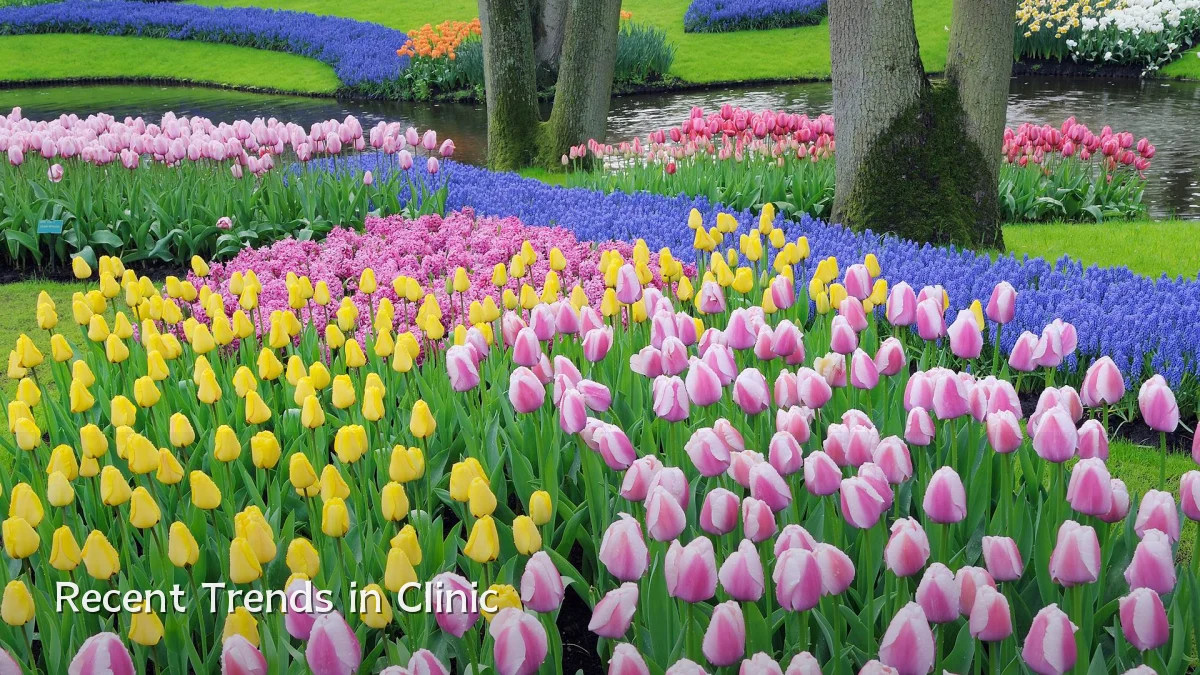
- Living walls and vertical planters suited to low-light indoor environments.
- Nature-inspired artwork featuring botanical prints, landscapes, and abstract leaf patterns.
- Biophilic lighting that changes subtly to reflect outdoor daylight cycles.
- Outdoor or rooftop garden spaces where patients can wait or walk before appointments.
Background: Why Clinic Environments Matter
Breast clinic visits often involve uncertainty, waiting, and physically or emotionally uncomfortable procedures. Research on healthcare environments has long suggested that exposure to natural elements can lower heart rate, reduce perceived pain, and improve overall patient satisfaction. For breast clinics specifically, the anxiety is often heightened by the possibility of abnormal findings, making the physical setting a significant factor in how patients experience the visit.

Garden-inspired design is not a substitute for compassionate care or clear communication, but it addresses a recognized gap: the waiting room or hallway is often the first and longest point of contact a patient has with the clinic. A calm environment can help patients enter appointments in a more grounded state.
User Concerns and Practical Considerations
While the idea of bringing gardens indoors appeals to many patients, clinics must balance aesthetics with strict hygiene, safety, and accessibility requirements. Patients have raised practical questions that shape how these ideas are implemented.
- Infection control: Live plants and soil can harbor mold or bacteria, so many clinics opt for preserved moss, high-quality artificial plants, or sealed terrariums.
- Allergies and sensitivities: Strongly scented flowers are usually avoided; fragrance-free greenery is the safer default.
- Maintenance capacity: Living installations require consistent watering, pruning, and pest management, which not all facilities can support.
- Space constraints: Urban clinics may lack square footage for full garden areas, making wall-mounted greenery or nature-themed projection more realistic.
- Privacy: Garden features should not create visual or auditory obstructions that compromise patient confidentiality.
Likely Impact of Garden-Inspired Design
Evidence from similar healthcare settings suggests that even modest nature-based interventions can yield meaningful outcomes. Patients may report lower pre-procedure anxiety, shorter perceived wait times, and a greater sense of control during their visit. Staff may also benefit, as calmer patients can make consultations and procedures smoother.
The impact is likely to be most pronounced for first-time visitors, those awaiting biopsy results, and individuals who have had difficult past experiences with medical settings. However, garden features are unlikely to replace the need for clear scheduling information, empathetic staff, or prompt updates about delays—these remain the core drivers of patient trust.
What to Watch Next
Expect clinics to expand garden-inspired options as patient feedback becomes more systematic and as design vendors develop products tailored to medical environments. Areas to monitor include the use of virtual reality nature scenes during imaging or biopsy procedures, the integration of outdoor walking paths around outpatient centers, and the development of modular greenery systems that can be easily cleaned or replaced.
Patient advocacy groups are also beginning to factor environmental comfort into clinic reviews, which may encourage more facilities to publish their design standards. As these trends mature, the question will shift from whether garden elements belong in breast clinics to how they can be implemented equitably across facilities of different sizes and budgets.