Wabi-Sabi in Bloom: Designing a Japanese-Inspired Garden for Mindful Beauty

Recent Trends
Interest in Japanese-inspired gardening has moved beyond ornamental styling into a broader wellness conversation. Across social platforms and home-design communities, terms like "mindful gardening" and "wabi-sabi landscaping" appear with increasing frequency alongside traditional Japanese garden aesthetics. Homeowners are seeking designs that emphasize natural imperfection, seasonal transience, and quiet contemplation, rather than manicured perfection.

Content creators and landscape designers note a shift toward smaller, more intentional outdoor spaces. Rather than expansive lawns, the focus is on compact arrangements using moss, stone, pruned trees, and carefully placed water features. This aligns with the wabi-sabi philosophy of finding beauty in asymmetry, simplicity, and the weathering of natural materials.
Background
The wabi-sabi worldview, rooted in Japanese aesthetics, values impermanence and imperfection. In garden design, this translates into a deliberate departure from symmetry and polish. Elements such as aged stone lanterns, weathered wooden gates, irregular stepping paths, and naturally shaped shrubs replace strictly clipped topiary and uniform flower beds.
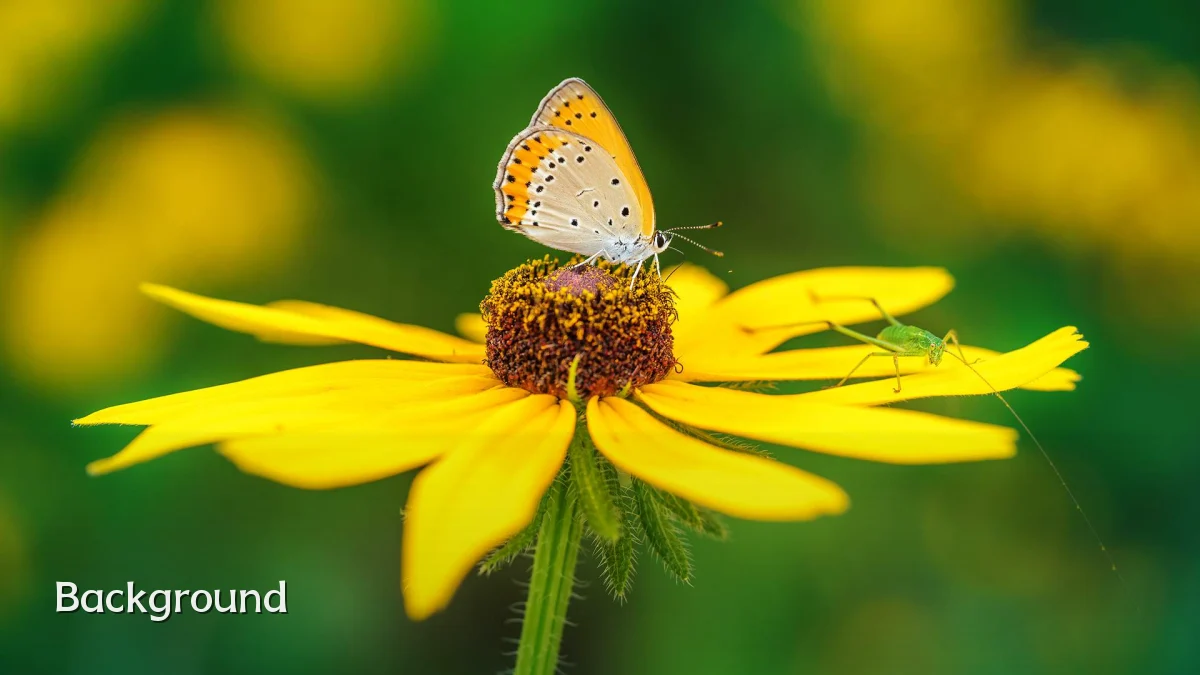
Japanese garden traditions themselves vary widely, from the dry rock gardens of Zen temples to the lush stroll gardens of the aristocracy. The current wave of interest, however, tends to borrow selectively. Home gardeners often combine minimal plant palettes with principles borrowed from these traditions, prioritizing calm, texture, and the passage of time over ornamental abundance.
User Concerns
Gardeners exploring this style frequently encounter practical and philosophical questions. Common concerns include:
- Maintenance expectations: Many assume a Japanese garden demands constant care, but a wabi-sabi approach often reduces upkeep by accepting fallen leaves, moss growth, and natural patina.
- Climate adaptation: Traditional Japanese plant species may not suit all regions. Users ask how to preserve the aesthetic with local species and hardy alternatives.
- Interpretation risk: Some worry about cultural appropriation or superficial imitation. Designers emphasize respect for origins and thoughtful, context-aware adaptation rather than copying imagery.
- Cost of hardscaping: Stone, gravel, and water features can carry significant upfront expense. Many seek budget-friendly approaches using reclaimed materials.
- Small-space feasibility: Apartment balconies and narrow yards raise questions about scaling down core elements like water basins, lanterns, and borrowed scenery.
Likely Impact
The convergence of garden design and mental wellness is likely to influence how gardening content is produced and consumed. Expect more emphasis on process over result, with guides that frame pruning, weeding, and sweeping as meditative rituals rather than chores. This could reshape product marketing as well, with a growing preference for natural, aging-friendly materials over synthetic and low-maintenance alternatives.
Greater attention to wabi-sabi in residential gardening may also encourage slower landscape trends. Instead of replacing gardens seasonally, homeowners may adopt longer-term stewardship of a single space, valuing gradual change. Local nurseries and independent landscape designers stand to benefit as demand rises for native plants that mimic the muted, textured palette of Japanese gardens without requiring exotic imports.
What to Watch Next
Several developments could shape the direction of this trend in the coming seasons:
- Regional plant palettes: Watch for more localized guides that substitute regional natives for classic Japanese staples, making the style accessible across climates.
- Digital mindfulness pairing: Gardening apps and platforms may add features for journaling, seasonal observation prompts, and slow-gardening routines tied to mental health.
- Democratization of stonework: Modular or lightweight stone-look alternatives could lower entry barriers, though traditionalists may push back on artificial materials.
- Community garden influence: Public and shared spaces may adopt wabi-sabi principles as a low-cost, low-water framework for communal landscaping.
- Cross-cultural dialogue: Expect continued discussion among designers and cultural commentators about respectful adaptation versus commodification of Japanese aesthetics.
As the line between garden and living space continues to blur, the wabi-sabi approach offers a compelling counterpoint to high-input landscaping. Its appeal rests not in novelty but in return to fundamentals: patience, observation, and acceptance of natural cycles.